Kling 3.0 Complete Guide: Features, Pricing, Prompts, and Best Use Cases
Comprehensive guide to Kling 3.0 covering why it leads AI video generation right now, its core features, pricing tradeoffs, basic prompt structure, and best use cases.

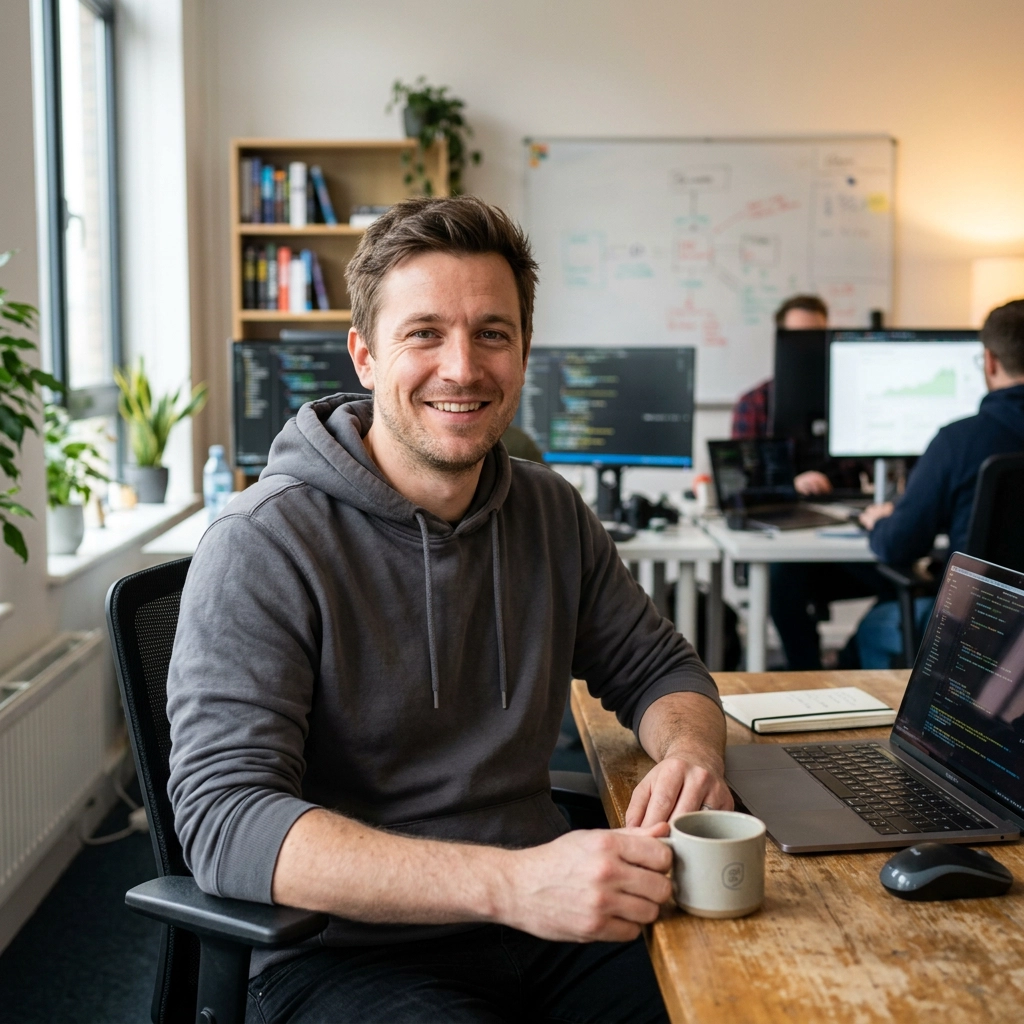
Kling 3.0 is currently one of the best AI video models available to the public, and for many teams it is the current benchmark for short-form cinematic output.
What makes it stand out is not one single feature. It is the combination of stronger motion quality, better camera control, richer reference workflows, multi-shot storyboarding, interpolation, and audio-aware generation in one family. The tradeoff is that Kling 3.0 can be expensive once you start iterating heavily, especially if you push toward premium-quality outputs instead of quick drafts.
This guide covers five practical questions:
- Why Kling 3.0 leads the category right now
- What the main workflows and features actually do
- What a good baseline prompt looks like
- Which use cases are the best fit
- What tradeoffs matter before you commit
By the end, you should know whether Kling 3.0 fits your workflow and what to try first.
What Is Kling 3.0?
Kling 3.0 is Kuaishou's AI video generation family built around Video 3.0, Video 3.0 Omni, and Motion Control 3.0. It is currently one of the strongest public-facing video models for short-form cinematic generation, especially when you care about realism, motion quality, and more structured creative control.
Unlike simpler video tools, Kling 3.0 is not only about text-to-video. The wider 3.0 stack includes image-to-video, interpolation, AI Multi-Shot storyboarding, motion-led workflows, and audio-aware generation. That combination is a big reason it feels closer to a production system than a novelty generator.
At a practical level, Kling 3.0 is best for:
- short premium-looking clips
- ads, product videos, and branded visuals
- portrait, fashion, and cinematic mood shots
- creators and teams willing to iterate for higher quality
Features
Kling 3.0 matters because the feature set is broad and the output quality is genuinely strong. It does not win on one gimmick. It wins because multiple high-value workflows live in the same family.
Motion and Camera Quality
This is the clearest reason Kling 3.0 leads the category. It tends to produce more deliberate camera movement, smoother motion, and more convincing visual realism than most public competitors, especially in short clips.
Text-to-Video and Image-to-Video
Kling 3.0 supports both prompt-only generation and reference-led generation. Text-to-video works well for cinematic concepts and environmental shots. Image-to-video is stronger when you need identity, product shape, styling, or composition to stay anchored to a first frame.
For a deeper tactical walkthrough, see How to Use Kling 3.0 Image-to-Video on Vofy.
AI Multi-Shot Storyboarding
AI Multi-Shot is one of Kling 3.0's biggest advantages. It lets you build short sequences with connected beats, references, and structured prompts. That makes Kling 3.0 especially valuable for ads, previs, and short narrative content.
Frame Interpolation and Reference Control
Kling 3.0 supports start-frame and end-frame workflows for more shaped transitions. It also supports richer reference-driven generation than lighter video tools, including multiple images or elements in multi-shot contexts.
Audio, Lip-Sync, and Voice-Aware Workflows
The 3.0 family goes beyond silent clip generation. Audio-aware workflows, lip-sync, and voice-directed controls make Kling 3.0 more useful for performance, dialogue-driven shorts, music-led edits, and character moments.
Core Specs
Across current Kling 3.0 materials and supported workflows on Vofy, the key specs are:
- up to
15-secondclips 720pand1080poutput16:9,9:16, and1:1in text-to-video- text-to-video, image-to-video, interpolation, AI Multi-Shot, and motion-led workflows
- audio, lip-sync, and voice-aware video controls
- multi-reference support, including up to
7images or elements in multi-shot contexts
What the Feature Set Means in Practice
Kling 3.0 is strongest when you want short videos that look intentional, cinematic, and commercially usable. It is less about bulk output and more about high-upside shots with better motion, stronger framing, and richer creative control.

Pricing
Kling 3.0 is not positioned like a cheap, volume-first video tool. It is usually worth considering when quality is the priority and the team can justify a higher cost per usable clip.
Pricing can vary by platform, plan, credits, and workflow, but the economics are usually shaped by the same four variables:
- output resolution
- clip duration
- workflow complexity
- number of iterations needed to reach a production-ready result
The most useful way to evaluate Kling 3.0 pricing is not just to ask what the plan costs. Ask what a winning asset costs once testing is included.
For most buyers, there are three practical questions:
- How many takes do we usually need before a clip is usable?
- Do we need 1080p often or only for final selects?
- Are we mostly generating single shots or more expensive multi-shot and reference-heavy workflows?
Kling 3.0 is often expensive compared with lightweight competitors, but for teams prioritizing premium output, stronger motion, and better reference control, that trade can still make financial sense.
Prompts
A Simple Kling 3.0 Prompt Formula
Use this structure:
[subject] + [action or motion] + [camera behavior] + [environment or lighting] + [style or quality direction]
What works well in Kling 3.0:
- one clear subject
- one main motion idea
- one deliberate camera move
- one coherent environment
- one stable style direction
What usually hurts output:
- too many simultaneous actions
- multiple competing camera instructions
- changing scene logic midway through the prompt
- trying to solve consistency problems with longer wording alone
For more copy-paste prompt ideas, read 25 Best Kling 3.0 Prompts for Cinematic AI Videos.
3 Starter Prompt Examples
Start with these three prompt patterns.
Cinematic Portrait
close-up portrait of a woman in soft window light, subtle head turn toward camera, hair moving gently, slow dolly in, shallow depth of field, cinematic, photorealistic
Best for:
- creator intros
- beauty clips
- editorial mood shots
Product Ad Shot
premium skincare bottle on reflective surface, slow camera orbit, soft studio highlight, gentle shadow movement, clean luxury background, commercial, photorealistic, high detail
Best for:
- ecommerce hero clips
- landing page media
- product launch visuals
Scenic Motion Shot
misty mountain valley at sunrise, clouds drifting slowly across the frame, gentle forward push, natural light, cinematic landscape, realistic atmosphere
Best for:
- establishing shots
- travel visuals
- mood-driven intros
Best Use Cases
The strongest use cases are the ones where short duration, visual polish, and controlled motion matter more than long-form continuity.
Marketing and Product Storytelling
Kling 3.0 is a strong fit for product hero clips, brand mood visuals, and ad sequences where one strong shot can carry the message.
Social-First Creative
It works well for vertical creative, creator-facing visuals, and short social edits when the concept is visually clear and the shot is not overloaded.
Fashion, Beauty, and Portrait Work
These categories benefit from Kling 3.0's ability to work from a strong first frame and preserve the feel of a polished composition.
Concept Visualization
For mood boards, pitch decks, story ideas, and pre-production exploration, Kling 3.0 can be much faster than traditional motion tests.
Short Cinematic Inserts
It is useful for intros, transitions, atmospheric B-roll, and short narrative fragments where visual feeling matters more than exact plot continuity.

What to Know Before You Commit
Kling 3.0 is usually not the strongest choice when you need:
- long-form scene continuity across many cuts
- highly precise brand motion systems with little tolerance for drift
- fast bulk output where speed matters more than craft
- complex ensemble acting or dense physical interaction
- exact editability after generation
That does not make Kling 3.0 less impressive. It means the model is strongest when treated as a premium shot-generation system rather than a full replacement for live-action production or traditional animation pipelines.
Is Kling 3.0 the Right Fit?
If you are evaluating the tool for real work, use a practical decision checklist.
Kling 3.0 Is Probably a Good Choice If
- you need short premium-looking clips
- you can provide strong visual references
- your team is comfortable iterating to get the right take
- your content benefits from cinematic motion and framing
- you care about ad creative, product storytelling, or polished social visuals
Kling 3.0 Is Probably a Bad Choice If
- you need long, stable scenes with low failure rate
- you need exact continuity across many connected clips
- you cannot afford repeated generation passes
- your team needs predictable output more than high upside
- your use case is mainly fast-volume social experimentation
How to Use Kling 3.0 on Vofy
Vofy gives you a streamlined way to work with Kling 3.0 without turning the process into a technical setup exercise.
At a high level, the workflow is:
- choose the right generation mode
- decide whether you need a prompt-only workflow or reference inputs
- keep the shot ambition aligned with the chosen mode
- iterate until motion, framing, and subject stability feel right
The important point is not to rush into detail too early. In practice, most quality gains come from making the right structural decisions before chasing micro-optimizations.
If you want the tactical version of that process:
- read 25 Best Kling 3.0 Prompts for Cinematic AI Videos for prompt design
- read Best Kling 3.0 Settings on Vofy for More Realistic AI Videos for workflow and setup choices
- read How to Use Kling 3.0 Image-to-Video on Vofy for first-frame and reference-led work
Quick Start on Vofy
Vofy provides streamlined access to Kling 3.0 with an intuitive interface.
Quick start:
- Log in to vofy.art
- Open Video Studio and select Kling 3.0 as your model
- Choose a workflow that matches the job
- Add prompt and references only as needed
- Generate and review motion, framing, and consistency
- Iterate with restraint instead of changing everything at once
The best mindset is not "how do I force Kling to do everything?" It is "what is the simplest version of this shot that Kling can do well?"
Kling 3.0 FAQ
What is Kling 3.0?
Kling 3.0 is Kuaishou's premium AI video generation family for short-form cinematic video. It combines text-to-video, image-to-video, interpolation, AI Multi-Shot, Motion Control 3.0, and audio-aware workflows in one stack.
How much does Kling 3.0 cost?
Kling 3.0 is usually more expensive than lightweight AI video tools, especially if you generate at higher quality and iterate often. The real cost depends on credits, duration, resolution, workflow complexity, and how many takes your team needs per usable clip.
What's the difference between text-to-video and image-to-video?
Text-to-video is better when you want Kling 3.0 to invent the scene from scratch. Image-to-video is better when you already have a strong first frame and want better consistency for faces, products, styling, or composition.
What can Kling 3.0 generate well?
Kling 3.0 performs especially well on product ads, fashion and beauty clips, portrait-led videos, cinematic mood shots, short social creatives, and structured multi-shot sequences where visual polish matters.
What aspect ratios does Kling 3.0 support?
On current Vofy-supported workflows, Kling 3.0 commonly supports 16:9, 9:16, and 1:1 for text-to-video. In frame-driven workflows, your uploaded frame has a major influence on the final composition.
How long can Kling 3.0 videos be?
Kling 3.0 supports clips up to 15 seconds. In practice, shorter clips are easier to keep stable, while longer clips are best used for slower movement, scenic reveals, and structured multi-shot storytelling.
What resolution does Kling 3.0 output?
Kling 3.0 supports 720p and 1080p output. A practical workflow is to develop concepts at lower cost first, then move winning shots to 1080p for final delivery.
Can I use Kling 3.0 for commercial projects?
Usually yes, and that is one reason Kling 3.0 is attractive for brands, agencies, and creators. Commercial terms still depend on the platform and plan, so confirm the current licensing details before client delivery.
What's the best way to write Kling 3.0 prompts?
Keep the prompt focused: one subject, one main action, one clear camera move, and one coherent environment. Kling 3.0 usually rewards clarity and restraint more than long descriptive prompts.
How do I improve face consistency in Kling 3.0?
Use image-to-video or other reference-led workflows, start from a strong first frame, and keep motion restrained. Face consistency usually improves when the composition is already working before generation begins.
What's multi-shot mode in Kling 3.0?
AI Multi-Shot is Kling 3.0's storyboard-style workflow for building short sequences with connected shots, references, and shot progression. It is especially useful for ads, previs, and short narrative beats.
Why use Kling 3.0 on Vofy?
Vofy gives you a streamlined way to access Kling 3.0 workflows in one place, compare it with other top video models, and move quickly from prompting to reference-led generation without managing a fragmented tool stack.
Principles for Better Results
A few principles improve almost every successful Kling workflow.
- Start with the simplest version of the shot that still communicates the idea.
- Match the workflow to the job before changing wording.
- Use references when consistency matters more than invention.
- Treat good results as something you shape through iteration, not something the model owes you on the first pass.
- Evaluate output quality in the context of the real use case, not only in isolation.
If you want deeper setup recipes, examples, and prompt systems, use the related guides below.
Conclusion
Kling 3.0 is currently one of the strongest choices in AI video if your priority is premium-looking output rather than the cheapest possible generation. It stands out because it combines better motion, stronger camera language, multi-shot storyboarding, interpolation, reference-led control, and audio-aware workflows in one family.
That is exactly why it is attractive for marketers, creative teams, product storytellers, and creators who need short videos that look more like polished campaign assets than disposable AI clips. The tradeoff is cost: Kling 3.0 becomes expensive when your workflow depends on lots of iterations. For teams that care about quality first, that trade can still be rational.
If you want the highest upside from Kling 3.0, use it for the jobs it is best at: product ads, portrait-led motion, social-first premium creatives, short cinematic sequences, and reference-driven visual storytelling.
Start with Kling 3.0 on Vofy if you want to test those workflows directly, then use the related guides below to go deeper on prompts, settings, and image-to-video execution.
Related Guides
Try it yourself on Vofy
Generate AI images and videos with the best models - all in one studio.
Discover More

 Priya Sharma•
Photo to 3D Model with AI: A Practical Guide
Turn a photo into a polished 3D-style model image with Vofy. Learn which photos work best, how to generate, and how to fix common results.

 Alex Harper•
How to Make AI Football Fan Videos From One Photo
Make AI football fan videos from one photo with a fictional Spain goal celebration and an optional Japanese street-interview companion clip.

 Lucas Andersson•
How to Make a Printable Coloring Page From a Photo
Make a printable coloring page from a photo with open fill areas, age-appropriate detail, and lines that stay clear after a real test print.