Change Your Skin Tone in Seconds with Free AI
Transform skin tones in photos with AI—test makeup shades, explore diverse looks, or fix lighting issues. Free skin color changer for instant results.

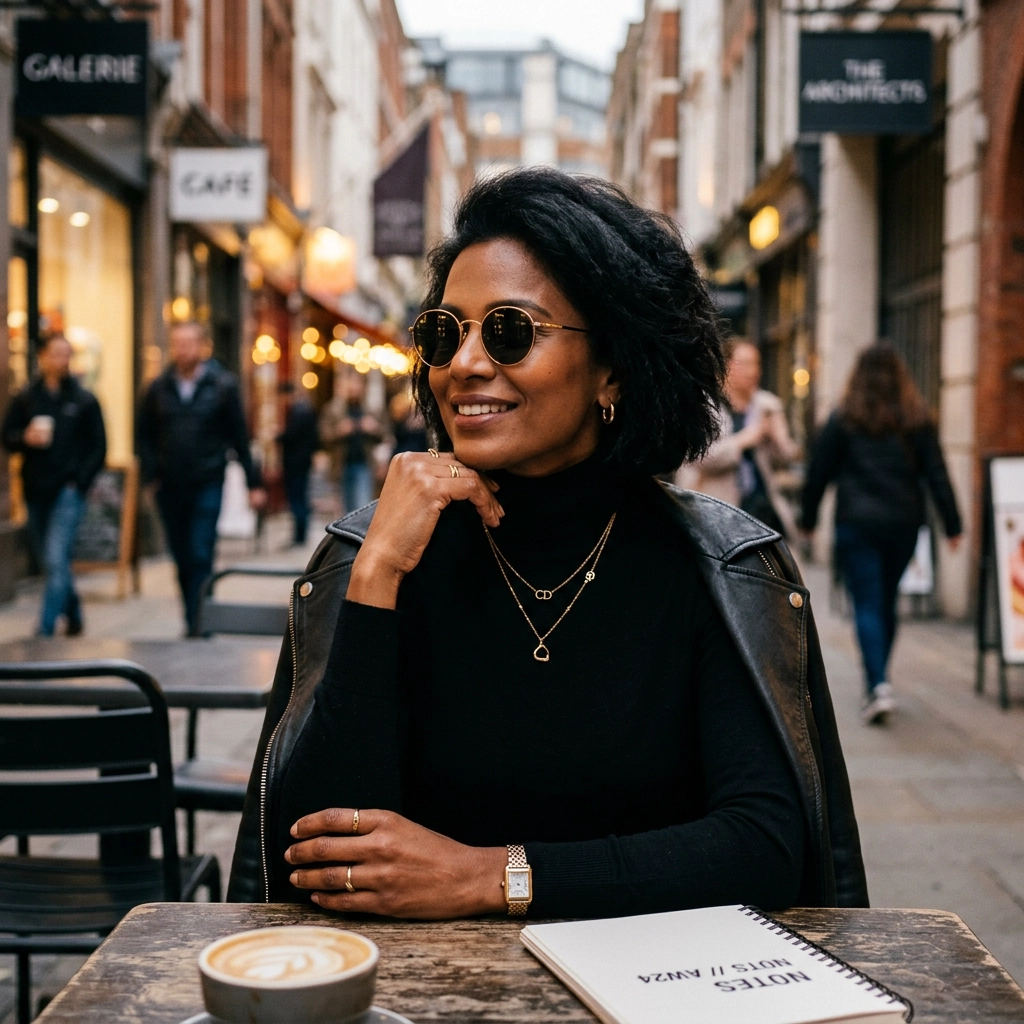
Whether you're testing makeup shades, exploring creative looks, or fixing lighting issues in photos, changing skin tones traditionally requires advanced Photoshop skills. AI skin color changers make it simple—upload a photo and instantly transform skin tones with natural-looking results.
These tools use artificial intelligence to analyze facial features and adjust skin color while preserving texture, shadows, and natural variations. Perfect for makeup artists testing foundation shades, content creators exploring diverse aesthetics, or photographers correcting color balance.
This guide shows you how to change skin tones using AI tools, with practical applications and tips for realistic results.
What Is an AI Skin Color Changer?
An AI skin color changer is a tool that uses artificial intelligence to modify skin tones in photos. Upload an image, select your desired complexion, and the AI adjusts skin color while maintaining natural texture, lighting, and facial features.
Unlike basic color filters that create unnatural results, AI skin changers intelligently preserve skin texture, pores, shadows, and highlights for photorealistic transformations.
Why Use AI for Skin Tone Changes?
AI skin color tools offer practical benefits across multiple use cases:
- Makeup Testing - Preview foundation shades before purchasing
- Creative Exploration - Experiment with diverse aesthetic looks
- Photo Correction - Fix lighting issues that alter natural skin tones
- Content Creation - Generate diverse character variations for projects
- Professional Testing - Help makeup artists and beauty brands visualize products
For beauty professionals, content creators, and anyone working with portraits, AI tools provide quick visualization without expensive photo shoots or complex editing.
Popular Skin Tone Variations
1. Fair & Porcelain Skin
Light complexions with cool or neutral undertones. Common in Northern European, East Asian, and some Middle Eastern populations.

Fair skin characteristics:
- Light, delicate appearance
- Visible veins and capillaries
- Burns easily in sun
- Cool, neutral, or warm undertones
2. Light & Beige Skin
Slightly darker than fair, with more yellow or golden undertones. Common across diverse populations worldwide.
Light skin features:
- Cream to beige coloring
- Moderate sun sensitivity
- Warm or neutral undertones
- Even complexion
3. Medium & Olive Skin
Mid-range complexions with olive, golden, or neutral undertones. Common in Mediterranean, Latin American, and Asian populations.

Medium skin characteristics:
- Olive, golden, or caramel tones
- Tans easily, rarely burns
- Warm or neutral undertones
- Natural sun protection
4. Tan & Caramel Skin
Warm, rich complexions with golden or reddish undertones. Common in South Asian, Middle Eastern, and Latin American populations.

Tan skin features:
- Warm caramel to honey tones
- High melanin protection
- Golden or reddish undertones
- Rich, even complexion
5. Brown & Deep Skin
Rich, dark complexions with warm or cool undertones. Common in African, Afro-Caribbean, and South Asian populations.

Brown skin characteristics:
- Deep chocolate to espresso tones
- Excellent natural sun protection
- Warm, cool, or neutral undertones
- Beautiful natural glow
6. Diverse Skin Tone Spectrum
Understanding the full range of natural skin tones helps create realistic transformations and appreciate human diversity.

Skin tone considerations:
- Undertones matter (cool, warm, neutral)
- Lighting affects appearance
- Natural variation within individuals
- Cultural and genetic diversity
How to Change Skin Color with AI
Using the AI Skin Color Changer is straightforward:
Step 1: Upload Your Photo
- Choose a clear, well-lit portrait
- Face should be visible and unobstructed
- Higher resolution produces better results
- Works with selfies or professional photos
Step 2: Select Target Skin Tone
- Choose from fair, light, medium, tan, brown, or deep
- Consider undertones (warm, cool, neutral)
- Preview different options
- Match your creative or testing goals
Step 3: Generate & Review
- AI processes the image (10-30 seconds)
- Check for natural appearance
- Verify texture preservation
- Download high-resolution result

Practical Use Cases
Makeup & Beauty Industry:
- Test foundation shades virtually before purchase
- Help clients visualize product matches
- Create diverse marketing materials
- Develop inclusive shade ranges
Content Creation:
- Generate character variations for stories
- Create diverse representation in projects
- Explore aesthetic possibilities
- Produce educational materials
Photography & Editing:
- Correct color balance issues
- Fix lighting problems
- Match skin tones across photo series
- Create consistent portfolio looks
Personal Exploration:
- Visualize different looks
- Understand undertones
- Test creative makeup ideas
- Explore diverse aesthetics
Tips for Natural-Looking Results
Photo Quality:
- Use high-resolution images (1024x1024+)
- Ensure even, natural lighting
- Avoid harsh shadows or overexposure
- Clear facial features work best
Realistic Transformations:
- Consider natural undertones
- Subtle changes look more realistic
- Match lighting conditions
- Preserve skin texture and details
Professional Applications:
- Test multiple shade variations
- Document results for client consultations
- Create comparison galleries
- Use for product development feedback
Understanding Undertones
Skin undertones affect how colors appear and which shades look natural:
Cool Undertones:
- Pink, red, or bluish hues
- Veins appear blue or purple
- Silver jewelry flatters
- Burns easily in sun
Warm Undertones:
- Yellow, peachy, or golden hues
- Veins appear green
- Gold jewelry flatters
- Tans easily
Neutral Undertones:
- Balanced mix of warm and cool
- Veins appear blue-green
- Both metals look good
- Moderate sun response
Frequently Asked Questions
Is changing skin tone in photos ethical? AI skin color changers have legitimate uses like makeup testing, creative projects, and photo correction. Use responsibly and avoid misrepresentation or cultural appropriation.
How realistic are AI skin tone changes? Modern AI preserves texture, shadows, and natural variations for photorealistic results. Quality depends on photo resolution and lighting conditions.
Can I test makeup foundation shades with this? Yes! The Skin Color Changer helps visualize how different foundation shades match your complexion before purchasing.
Does it work on all skin tones? Yes, AI skin changers work across the full spectrum from fair to deep skin tones, preserving natural features and texture.
Will it change clothing or background colors? No, AI tools specifically target skin areas while leaving clothing, hair, and backgrounds unchanged.
How long does processing take? Most transformations complete in 10-30 seconds depending on image size and complexity.
Can I use this for professional makeup consulting? Absolutely. Many makeup artists use the Skin Color Changer to help clients visualize foundation matches and test product recommendations.
Conclusion: Transform Skin Tones with AI
AI skin color changers democratize beauty testing and creative exploration, making sophisticated transformations accessible to everyone. Whether you're testing makeup shades, fixing photo lighting, or exploring creative aesthetics, these tools deliver natural-looking results instantly.
The AI Skin Color Changer makes it simple—upload a photo, select your desired tone, and download professional-quality results. Perfect for makeup artists, content creators, photographers, and anyone working with portraits.
Transform skin tones naturally, test beauty products virtually, and explore diverse aesthetics—all with free AI technology.
Try it yourself on Vofy
Generate AI images and videos with the best models - all in one studio.
Discover More
 Priya Sharma•
Photo to 3D Model with AI: A Practical Guide
Turn a photo into a polished 3D-style model image with Vofy. Learn which photos work best, how to generate, and how to fix common results.

 Alex Harper•
How to Make AI Football Fan Videos From One Photo
Make AI football fan videos from one photo with a fictional Spain goal celebration and an optional Japanese street-interview companion clip.

 Lucas Andersson•
How to Make a Printable Coloring Page From a Photo
Make a printable coloring page from a photo with open fill areas, age-appropriate detail, and lines that stay clear after a real test print.