Why Photos Look Better With Warm Sunset Glow and How to Get It With AI
That magical warm glow photographers chase at sunset? You can add it to any photo instantly with AI. Learn how golden hour lighting transforms ordinary shots into stunning images.

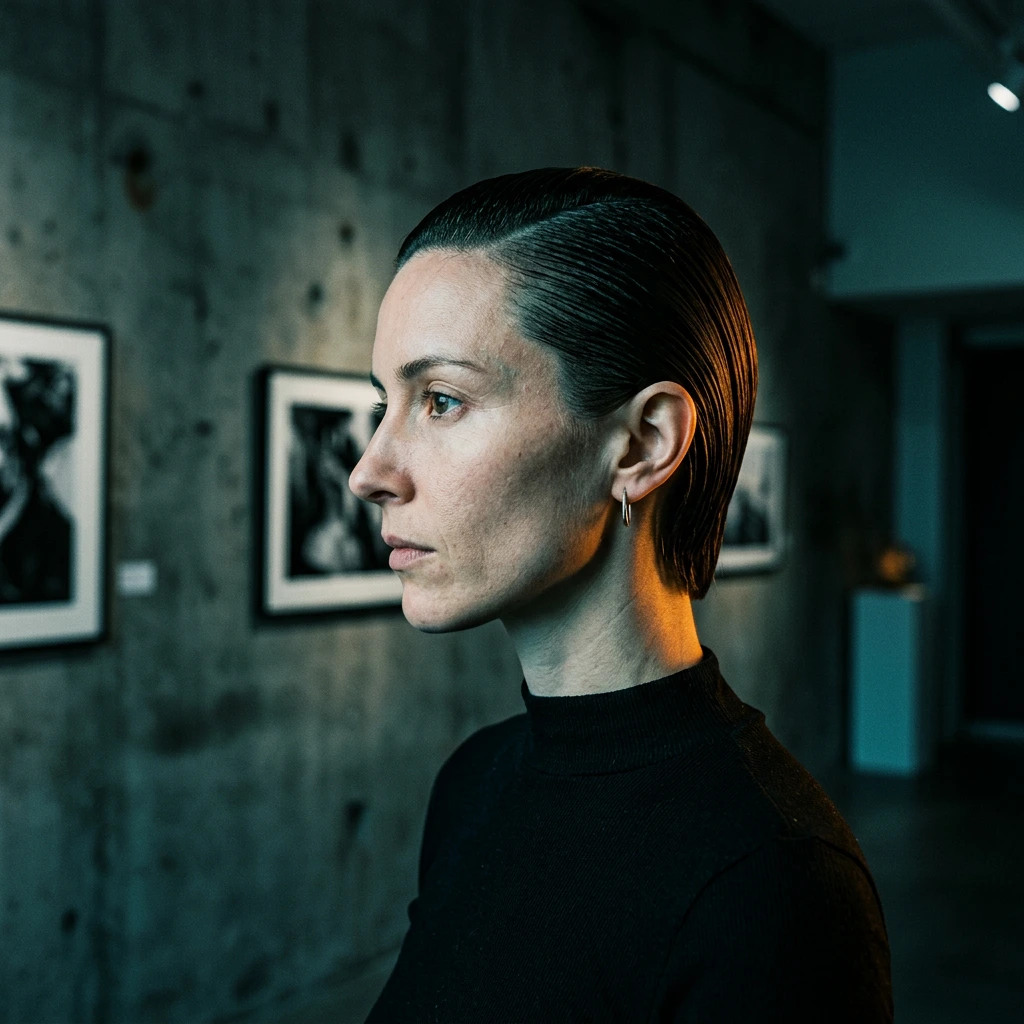
That warm sunset glow photographers obsess over? It's called golden hour lighting, and it's the secret behind every stunning portrait you've seen on Instagram. A golden hour filter powered by AI can now add this magical warm lighting to any photo—no matter when or where you shot it.
Photographers will wake up at 5 AM or rush to catch the last light of day just to capture that soft, flattering glow. It's the difference between a photo that looks okay and one that makes people stop scrolling. The problem? Golden hour only lasts about an hour, the weather needs to cooperate, and you need perfect timing.
But here's where it gets interesting: AI can now replicate that warm sunset glow on any photo, taken at any time of day. Not a cheap Instagram filter that just slaps orange on everything—actual intelligent lighting that understands how golden hour light wraps around faces, creates soft shadows, and adds that dreamy quality to backgrounds.

Want to test it on one photo? Try the golden hour filter.
What Makes Golden Hour Light So Special?
Golden hour happens twice a day—right after sunrise and just before sunset. The sun sits low on the horizon, and its light travels through more atmosphere, filtering out harsh blue tones and leaving warm oranges, ambers, and soft yellows.
This creates three things photographers obsess over:
Flattering skin tones - The warm light makes everyone look healthier, more vibrant. It's why influencers plan their shoots around sunset.
Soft, directional shadows - Instead of harsh overhead shadows that make people look tired, golden hour gives you gentle side lighting that adds dimension without being unflattering.
Dreamy backgrounds - That glowy, slightly hazy quality in the background? That's golden hour magic. It separates your subject from the background naturally.

The Problem With Chasing Real Golden Hour
If you've ever tried to plan a shoot around golden hour, you know the frustration:
The timing is tight. You get maybe 30-60 minutes of good light, and if your subject is late or you need to change locations, you're screwed.
Weather is unpredictable. Clouds roll in, it rains, or the sky is just flat and boring. You can't reschedule a client shoot because the sunset isn't cooperating.
Location matters. Buildings, trees, or mountains can block that low-angle light. What works in summer might not work in winter when the sun sets in a different position.
Not every photo needs to be taken at sunset. Sometimes you're shooting indoors, at events, or capturing spontaneous moments that happen at noon.
This is why AI golden hour filters have become essential for content creators, portrait photographers, and anyone who wants that warm, professional look without the scheduling nightmare.

How AI Replicates Golden Hour Lighting
A good AI golden hour filter doesn't just overlay orange tones. It analyzes your photo's existing lighting and intelligently applies:
Directional warm light - The AI identifies where light is already hitting your subject and enhances it with golden tones, mimicking how sunset light would naturally fall.
Color temperature shifts - Shadows get slightly cooler (blue-purple tones) while highlights get warmer (amber-orange), just like real golden hour.
Atmospheric haze - That soft, glowy quality gets added to backgrounds and light sources, creating depth and that dreamy aesthetic.
Skin tone enhancement - Faces get that healthy, sun-kissed glow without looking fake or over-processed.
Best photos: Window-light portraits, overcast outdoor shots, and side-lit subjects.
Avoid these photos: Harsh noon sun, flat flash photos, cluttered scenes, and tiny low-resolution images.
How to Use a Golden Hour Filter
The process is straightforward. You don't need photography expertise or editing skills—just a decent photo to start with.
Pick the right photo - Golden hour filters work best on photos that already have some directional light. Outdoor shots, window-lit portraits, and photos with clear subjects give the best results. Flat, evenly-lit photos can still work, but the effect is more subtle.
Upload and generate - Head to the golden hour filter tool, upload your image, and let the AI do its thing. Processing takes 15-30 seconds.
Download and use - Get your transformed photo with that warm sunset glow. Use it for social media, client work, or personal projects.
The key is starting with a photo that has potential. If your original shot is poorly composed or badly lit, golden hour tones won't fix fundamental issues. But a decent photo with good composition becomes stunning with the right lighting treatment.

Getting Better Results
Shoot with intention - Even though you're adding golden hour light later, think about composition and framing. Side-lit subjects work better than front-lit ones. Photos with depth and layers look more natural with warm lighting.
Consider your background - Busy, cluttered backgrounds can distract from the golden hour effect. Clean backgrounds or natural settings let the warm lighting shine.
Time of day matters for source photos - Photos taken during overcast days or in open shade convert better than harsh midday sun. The AI has more latitude to work with when the original lighting isn't fighting against the golden hour aesthetic.
Pay attention to existing shadows - Photos with some directional lighting already present will look more natural. Completely flat lighting can still work, but the transformation is more subtle.
Color coordination - Warm-toned clothing and environments enhance the golden hour effect. Cool blues and grays can create interesting contrast, but too much cool tone can fight the warm lighting.
Resolution matters - Higher resolution source images (at least 1024×1024) give the AI more detail to work with, resulting in better grain texture and more natural light transitions.
Don't overdo it - The goal is to enhance your photo, not make it look fake. If the result feels too orange or artificial, the original photo might not be the best candidate, or you might need to try a different approach.
Match your aesthetic - Golden hour works for warm, inviting content. If you're going for a cool, moody vibe, this isn't the filter for you.

Real-World Applications
Social media content - Apply golden hour tones to multiple photos for a consistent, warm aesthetic across your feed. It's how influencers maintain that cohesive look even when posting photos taken at different times and places.
Professional photography - Portrait photographers can offer golden hour edits as a premium option, giving clients that magazine-quality look without requiring sunset shoots.
Marketing and branding - Brands use warm, inviting imagery to connect with audiences. Golden hour lighting makes products and lifestyle shots feel more aspirational and premium.

Print materials - Golden hour photos work beautifully in print. Use them for photo books, wall art, wedding albums, and personalized gifts.
E-commerce - Lifestyle product shots with warm lighting feel more premium and aspirational than sterile white-background photos.
Personal use - From dating profiles to personal branding, golden hour light is universally flattering without being deceptive.

Common Questions
Does this work on indoor photos?
Yes, but results vary. Photos with window light or directional indoor lighting work well because the AI has existing light to enhance. Flat, evenly-lit indoor shots can still get golden hour tones, but the effect is more subtle since there's less natural shadow and highlight information to work with.
Will it look fake?
Not if you start with a decent photo. The AI analyzes your image's existing lighting and applies golden hour characteristics intelligently. It won't magically fix a poorly lit photo, but it will enhance good photos naturally.
When should I avoid a golden hour filter?
Avoid it when you need strict color accuracy, a cool moody aesthetic, or a clean studio look. It's also a poor fit for harsh noon-light photos, flat flash shots, cluttered scenes, and very small low-resolution images.
Can I use this for commercial work?
Yes. Images generated with the golden hour filter can be used commercially for client work, marketing, social media, and any professional applications.
How is this different from just adjusting color temperature?
Color temperature sliders in editing apps uniformly shift all colors warmer or cooler. Golden hour filters intelligently apply directional warm light, add atmospheric haze, create natural shadow/highlight separation, and enhance skin tones—mimicking how real sunset light behaves.
What file formats work?
JPEG, PNG, and WebP formats up to 10 MB. Higher resolution images (1024×1024 or larger) give better results because the AI has more detail to work with.
How long does it take?
Processing typically takes 15-30 seconds depending on image size and server load.
Is it free?
Yes. The golden hour filter tool is free to use. Sign up for a Vofy account to start transforming your photos.
Why This Matters for Content Creators
Consistency is everything when building an audience. Whether you're a photographer, influencer, or brand, having a cohesive visual style sets you apart. Golden hour aesthetics are universally appealing—warm, inviting, professional—but scheduling shoots around actual sunset is impractical.
AI golden hour filters solve this. Shoot whenever it's convenient, then apply that warm glow in post. Your feed stays consistent, your clients get flattering results, and you're not at the mercy of weather and timing.

The Bottom Line
Golden hour lighting is flattering, recognizable, and consistently effective across portraits, lifestyle shots, and brand imagery.
If your photo already has a clear subject and some usable light, this tool can usually make it warmer, softer, and more premium in under 30 seconds.
You don't need perfect timing, ideal weather, or a sunset shoot. You just need a photo with decent composition and enough lighting information for the AI to enhance naturally.
Ready to add that warm golden hour glow to your photos? Try the golden hour filter tool and see the difference professional lighting makes.
Try it yourself on Vofy
Generate AI images and videos with the best models - all in one studio.
Discover More

 Priya Sharma•
Photo to 3D Model with AI: A Practical Guide
Turn a photo into a polished 3D-style model image with Vofy. Learn which photos work best, how to generate, and how to fix common results.
 Alex Harper•
How to Make AI Football Fan Videos From One Photo
Make AI football fan videos from one photo with a fictional Spain goal celebration and an optional Japanese street-interview companion clip.

 Lucas Andersson•
How to Make a Printable Coloring Page From a Photo
Make a printable coloring page from a photo with open fill areas, age-appropriate detail, and lines that stay clear after a real test print.