AI Fashion Collage Poster Generator for Editorial Portraits
Create an AI fashion collage poster from one portrait. Learn photo prep, layout choices, review tips, and when to use each poster ratio.

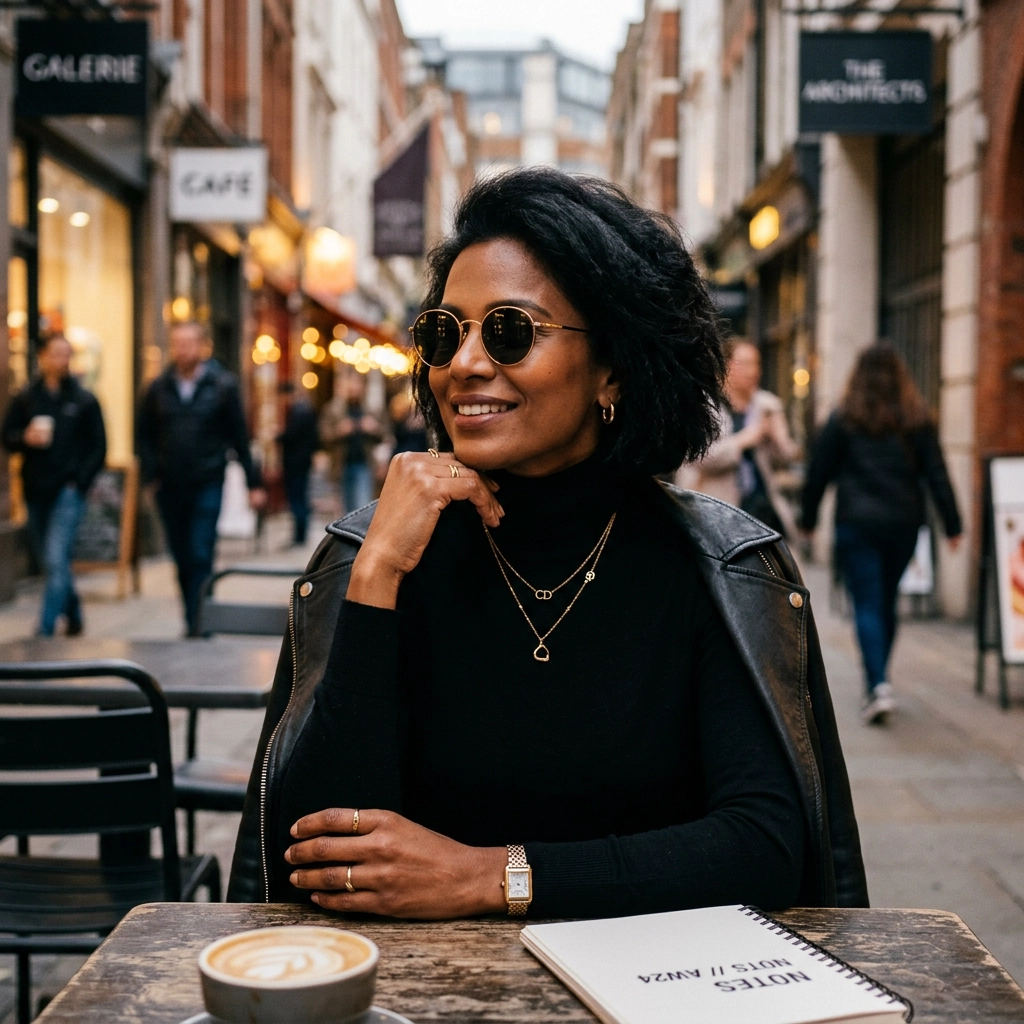
Disclosure: This tutorial uses Vofy, an all-in-one AI creative studio, as the demonstration tool. The steps apply to the AI Fashion Collage Poster Generator as of June 2026; interfaces, model options, and Credits may change over time.
Fashion trend imagery is bigger than a single outfit trend. It points to the way fashion images now move across profile photos, creator covers, Reels thumbnails, moodboards, portfolio pages, and campaign concepts. A polished fashion collage poster can carry that energy because it does not behave like a normal portrait. It gives you close-up attitude, full-body styling, graphic repetition, and a magazine-poster structure in one generated image.
That is where an AI fashion collage poster generator becomes useful. Instead of asking for a generic beauty portrait, you start with one clear person photo and turn it into an editorial poster: black-and-white close-up panels in the background, one full-color fashion pose in front, sunglasses, a crisp white shirt, black tailored pants, soft shadows, and a clean no-text layout. Treat the result as AI-generated fashion artwork made from a photo you own or have permission to edit, not as proof of a real shoot, real outfit, or endorsement.
TL;DR
- Use a clear solo portrait with readable face, hair, shoulders, and identity cues before generating a fashion collage poster.
- AI Fashion Collage Poster Generator creates a magazine-style collage with monochrome close-up panels and a full-color white-shirt editorial pose.
- Choose 4 Stacked for the default vertical poster, 4 Columns for wide banners, 4 Grid for square posts, and six-panel grids for stronger contact-sheet energy.
- Review likeness across every panel, not only the foreground cutout; the background close-ups should still feel like the same person.
- Open AI Fashion Collage Poster Generator when you want a ready-made fashion trend poster workflow without building the whole prompt yourself.
1. What You'll Get From an AI Fashion Collage Poster Generator
An AI fashion collage poster generator turns one uploaded portrait into a multi-panel editorial image. In Vofy, the default poster uses four stacked black-and-white close-ups behind one full-color foreground figure. The intended look is crisp and fashion-led: off-white poster frame, cinematic portrait panels, sunglasses, a white oversized shirt, black tailored pants, soft shadows, and a premium magazine composition with no typography built into the image.
The important detail is repetition with identity control. A normal portrait generator can make one attractive image, but a collage poster asks the model to preserve the same person across several views at once: front close-up, side pose, three-quarter portrait, profile view, and foreground pose. That makes the result useful for creator profile refreshes, personal-brand covers, fashion moodboards, story graphics, thumbnails, and editorial portrait experiments. It is closer to an AI fashion photoshoot poster than a simple collage maker because the layout, clothing direction, and panel rhythm are already part of the workflow.

This format is strongest when the final asset needs to feel designed before you add text, captions, or campaign copy elsewhere. If you need a real cover with masthead and article lines, use the Fashion Magazine Cover Generator guide instead. If you want an outdoor streetwear scene, the Street Fashion Portrait Generator guide is the better adjacent workflow. Keeping those lanes separate prevents one image from becoming a crowded compromise.
2. Before You Start: Choose the Right Portrait
The uploaded photo sets the ceiling for likeness. A fashion poster app can rebuild the setting, outfit, lighting, pose, and collage layout, but it still needs enough real information to preserve the person across multiple panels. If the face is tiny, blurred, heavily filtered, cut from a group image, or hidden behind strong accessories, the model has less structure to repeat. A simple phone portrait with clear facial features often works better than a dramatic but messy source image.
Use this source-photo checklist before you generate:
- Choose one person, not a group shot.
- Make sure the face, hairline, shoulders, skin tone family, and expression are readable.
- Prefer a portrait, selfie, or three-quarter image with clean lighting.
- Avoid heavy blur, screenshots, face-covering sunglasses, extreme shadows, and cropped heads.
- Use only photos you own or have permission to transform.
After photo quality, decide the destination. A vertical poster needs strong face readability and enough height for the foreground figure. A square social post needs the central cutout to stay clear after cropping. A wide banner needs the background panels to create structure without shrinking the person too much. Planning the final use first makes the layout decision much easier once you open the app.
For broader prompt discipline, keep the GPT Image 2 prompts guide nearby. This app uses a focused prompt internally, so you do not need to write a full fashion art direction from scratch, but the same logic still applies: subject, medium, lighting, camera, layout, and constraints should all agree.
3. How to Create a Fashion Collage Poster in Vofy
Open AI Fashion Collage Poster Generator and upload one clear portrait. The app is intentionally short: upload the identity reference photo, choose aspect ratio, choose a layout preset, adjust resolution in Settings when needed, then generate. The default prompt asks for the same person across the foreground and every black-and-white background panel, with no text, no logos, no watermark, and no typography.
3.1 Upload Your Photo
Start with the cleanest portrait, not the most stylized one. The generator can add the white shirt, sunglasses, monochrome panels, foreground pose, and magazine-poster lighting, but it cannot recover identity details that are not visible in the source. If the final image is for a client, friend, collaborator, or public profile, confirm permission before uploading and before publishing.
3.2 Choose Ratio and Layout
Leave aspect ratio on Auto when you want the default vertical 3:4 magazine-poster feel. Choose 9:16 for story graphics and mobile-first covers, 1:1 for square profile grids or carousel slides, and 16:9 for wide headers, thumbnails, or banner-style portraits. For 16:9, use the 4 Columns layout so the background becomes vertical panels instead of stacked rows.
The layout choice changes the visual rhythm:
| Layout | Best use | Review focus |
|---|---|---|
| 4 Stacked | Default vertical poster, profile refresh, editorial hero image | Face consistency across four close-ups |
| 4 Columns | Wide banner, cover strip, thumbnail, campaign header | Foreground figure does not get too small |
| 4 Grid | Square post, carousel cover, moodboard tile | Center overlap and balanced panel spacing |
| 6 Portrait Grid | Tall poster with stronger contact-sheet energy | Every panel still reads as the same person |
| 6 Wide Grid | Horizontal composition with more background variation | Panel rhythm supports the foreground pose |
As of June 2026, Vofy image workflows use Credits, and rates vary by model, resolution, and selected settings. Start with one or two focused generations before exploring every ratio. Once the poster direction works, branch into another crop or layout only if the final channel needs it.
3.3 Generate, Review, and Download
After generation, review the image at full size. Look first at the foreground face, then scan every background panel. The poster should preserve recognizable facial structure, hairstyle, skin tone family, and expression energy across the whole composition. Then check hands, sunglasses, shirt edges, shadow direction, and whether the foreground cutout sits naturally over the monochrome panels.
If one background close-up drifts into a different-looking person, regenerate with a cleaner source crop and keep the layout simple before adding extra notes. If the face is right but the poster feels visually flat, try a different layout rather than rewriting the whole direction. Download the result when the person reads clearly, the body feels believable, and the poster structure supports the intended use.
4. Tips for a Stronger Fashion Trend Poster
The strongest fashion trend poster has a clear visual hierarchy: identity first, pose second, panel rhythm third, styling fourth. If the sunglasses, shirt, or graphic layout become louder than the person, the poster starts to feel like a template. If the foreground looks strong but the background panels drift, the image loses the repeated-editorial effect that makes the format special.
Use this review map after each generation:
| Review area | What to check | When to regenerate |
|---|---|---|
| Likeness | Same face shape, skin tone family, hair traits, and expression energy | Any panel looks like a different person |
| Foreground pose | Confident fashion stance with believable shoulders, hands, and body line | Extra limbs, broken fingers, stiff cutout |
| Panel rhythm | Close-ups vary in angle while staying cohesive | Panels feel duplicated, messy, or unrelated |
| Styling | White shirt, black pants, sunglasses, clean editorial finish | Clothing melts, logos appear, or outfit distracts |
| Crop | The figure and panels survive the intended social format | Face is too small or body is cut awkwardly |
| No-text base | Poster stays clean for later captions or typography | Generated letters, logos, or watermark appear |
This kind of review is faster than guessing. A useful poster does not need to be clinically perfect, but it should pass three checks: the same person appears throughout, the layout feels intentional, and the final ratio matches where the image will be used. If two of those fail, regenerate before adding captions, filters, or design overlays.
For moodboard thinking, resources such as Adobe's mood board guide can help you separate style direction from final execution. For fashion-image pacing, browsing Vogue fashion coverage is useful because the strongest editorial images usually have one dominant idea, not a pile of competing details. Bring that restraint back to your AI poster: one person, one layout, one fashion attitude.

5. Common Mistakes to Avoid
The first mistake is using the tool as an exact wardrobe try-on. The app can create a strong AI fashion poster, but it is not a product-accurate clothing preview or proof that the person wore a specific outfit. Use it for creator visuals, editorial concepts, profile graphics, and moodboards. Do not present the image as a real campaign, real endorsement, or identity document.
The second mistake is judging only the foreground figure. A fashion collage poster succeeds because the foreground and background panels feel connected. If the main cutout looks correct but the close-ups behind it have different facial structure, hair, or age cues, the result will feel inconsistent once viewers look longer than a thumbnail glance.
The third mistake is choosing the layout after generation. A 4 Stacked poster can look strong on a profile page and awkward in a wide website header. A 4 Columns banner can look premium in a horizontal slot and too distant as a phone story. Pick the destination before you generate so the layout serves the format rather than fighting it.
The fourth mistake is adding too much typography afterward. The generated poster is deliberately clean because it is meant to become a flexible base. Add one headline, logo, or caption if the channel needs it, but leave the face and panel rhythm alone. If you need a true magazine cover with built-in masthead and article teasers, the magazine-cover workflow is a better match than forcing text into a collage poster.
6. Conclusion
Fashion trend imagery works when the viewer reads attitude quickly. The AI Fashion Collage Poster Generator helps by turning one portrait into a structured editorial asset: close-ups for personality, a full-color foreground pose for impact, and a clean no-text composition that can move across profile pages, stories, thumbnails, moodboards, and campaign concepts. The app supplies the poster system, but the source photo supplies the person.
Start with one clear portrait, choose the layout that matches the final channel, and review every panel before downloading. If the identity holds, the crop fits, and the poster has one strong fashion idea, open AI Fashion Collage Poster Generator and make the image. The best result is not the busiest collage; it is the one where the viewer understands the person, the pose, and the fashion trend mood in one glance.
FAQ
What is an AI fashion collage poster generator?
An AI fashion collage poster generator is a photo-to-poster tool that turns one uploaded person image into an editorial fashion collage. Vofy's version creates black-and-white close-up panels in the background and a full-color white-shirt fashion pose in the foreground.
What kind of photo works best?
Use a clear solo portrait, selfie, or three-quarter image where the face, hairline, shoulders, skin tone family, and expression are readable. Avoid tiny faces, heavy blur, group crops, strong filters, and blocked facial details.
Which layout should I choose?
Use 4 Stacked for the default vertical poster, 4 Columns for 16:9 banners, 4 Grid for square social posts, 6 Portrait Grid for tall contact-sheet energy, and 6 Wide Grid for horizontal compositions with more background variation.
Can I use it as a clothing try-on tool?
No. The app creates fashion-inspired poster artwork, not a product-accurate garment preview. Use the result for creative portraits, social graphics, campaign concepts, and moodboards rather than claims about real clothing ownership or fit.
Can I use photos of other people?
Only use photos you own or have permission to edit. Do not use generated posters to impersonate someone, suggest a false endorsement, or make misleading identity claims.
Related Reading
Try it yourself on Vofy
Generate AI images and videos with the best models - all in one studio.
Discover More
 Priya Sharma•
Fashion Magazine Cover From Photo: AI Cover Guide
Create a fashion magazine cover from your photo with AI. Learn photo prep, cover text, ratios, magazine names, and review tips.

 Sofia Rodriguez•
Street Fashion Portrait Generator: Create an Editorial Look
Create a street fashion portrait from your photo with AI. Learn photo prep, ratios, styling checks, and how to keep the result believable.

 Ryan Mitchell•
How to Write Better GPT Image 2 Prompts
Learn a reusable framework for GPT Image 2 prompts across photos, products, portraits, posters, and social graphics, with real examples and clearer control.