Turn One Photo Into a Premium Male Editorial Portrait
Create a Premium Male Editorial Portrait from your photo with AI. Learn photo prep, ratios, styling checks, and safe editorial use.

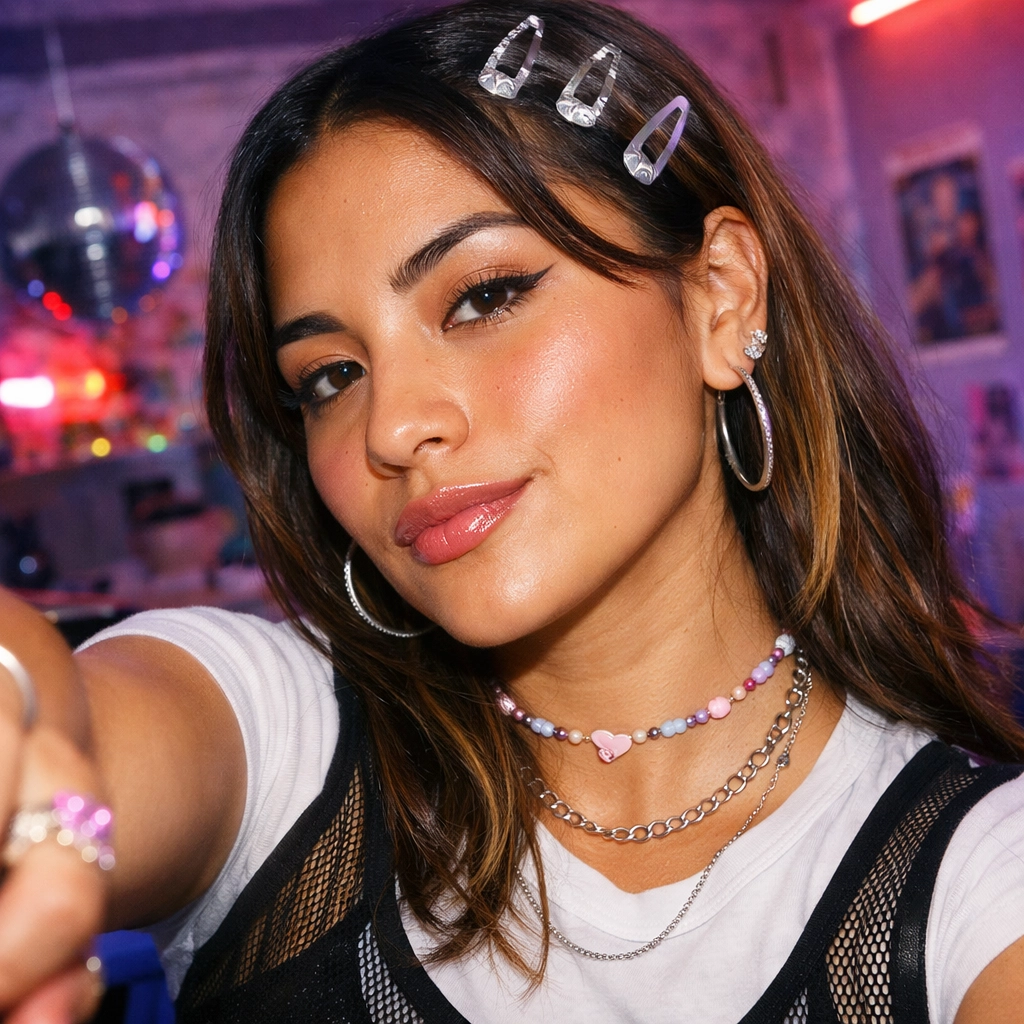
Disclosure: This tutorial uses Vofy, an all-in-one AI creative studio, as the demonstration tool. The steps apply to the Premium Male Editorial Portrait app as of June 2026; interfaces, model options, and Credits may change over time.
A strong fashion trend portrait is not only about clothing. It is about the way the image feels current: posture, tailoring, camera distance, expression, lighting, and the quiet confidence of a magazine-style frame. For male creator branding, that often means moving beyond a tight corporate headshot into a polished seated editorial portrait that still keeps the person recognizable.
That is where a Premium Male Editorial Portrait workflow helps. You start with one clear male photo, then Vofy rebuilds the scene into a seated business editorial setup with refined menswear, a neutral armchair, a textured gray studio backdrop, soft light, and a serious direct gaze. Treat the result as creative portrait visualization made from a photo you own or have permission to edit, not an ID photo, credential image, real wardrobe proof, or claim that the subject appeared in a physical studio session.
TL;DR
- Use a clear solo male photo with readable face, hair, skin tone, shoulders, and body outline; source quality drives likeness.
- Premium Male Editorial Portrait creates a seated business editorial portrait with menswear styling, an armchair pose, soft studio light, and a textured gray backdrop.
- Choose 4:5 for the intended editorial portrait, 9:16 for stories, 1:1 for profile grids, and 16:9 for banners or cover images.
- Review likeness, hands, footwear, expression, background texture, and whether the image still feels like the same person before sharing.
- Open Premium Male Editorial Portrait when you want a polished menswear portrait draft without writing a long prompt from scratch.
1. What You'll Get From Premium Male Editorial Portrait
Premium Male Editorial Portrait is an AI portrait generator from photo that turns one uploaded male image into a seated studio portrait. The intended result is specific: a modern neutral-toned armchair, a slight forward lean, natural hands, refined contemporary business menswear, polished footwear, a serious expression, direct camera gaze, soft studio light, and a textured gray background. The app also asks the model to preserve the man's real face, hairstyle, skin tone, age impression, body identity, masculine presentation, and distinctive features.
That focus matters because "AI portrait generator from photo" can mean several different jobs. A LinkedIn headshot should usually be tight, simple, and career-safe. A streetwear portrait needs energy, location, and casual movement. A magazine cover needs typography and layout space. This app is more tailored: it creates a premium male editorial portrait that feels like a founder profile, artist bio, speaker deck image, personal site hero, or menswear moodboard.

The useful mental model is editorial direction, not costume replacement. You are not trying to prove the subject owns the generated blazer or sat in that exact chair. You are testing a visual direction: what would this person look like in a composed business editorial feature? If you need a tighter professional profile photo, our selfie to LinkedIn headshot guide is the better starting point. If you want a full cover treatment with masthead and headline text, use the fashion magazine cover from photo guide instead.
2. Before You Start: Pick the Right Source Photo
The uploaded photo sets the ceiling for the final portrait. The generator can add menswear styling, studio lighting, a seated pose, and a premium textured background, but it still needs enough real information to preserve identity. If the face is tiny, hidden by sunglasses, blurred by motion, cropped from a group shot, or compressed through repeated screenshots, the model has less structure to keep the person recognizable.
Use this source-photo checklist before you generate:
- Choose one male subject, not a group image.
- Make sure the face, hairstyle, skin tone, shoulders, and body outline are readable.
- Prefer a portrait, selfie, three-quarter image, or full-body photo with clear posture.
- Avoid heavy face obstruction, extreme blur, tiny screenshots, and harsh shadow across the eyes.
- Use photos you own or have permission to edit, especially for client, colleague, or public-facing work.
After the first pass, decide where the portrait will live. A founder page may need a calm 4:5 image with enough room around the chair. A newsletter header may need a wide 16:9 crop with more gray studio space. A profile grid may need a square output where the face and torso remain centered. Choosing the destination before generation prevents the common mistake of making a beautiful portrait that does not fit its final layout.
For visual reference, it helps to think like an editorial photographer. Sources such as GQ style coverage and Vogue street style coverage show how clothing, posture, expression, and setting work together. The Vofy app condenses that direction into a focused AI workflow, but the same editorial judgment still applies: the person has to lead the frame.
3. How to Create a Premium Male Editorial Portrait in Vofy
Open Premium Male Editorial Portrait and upload one clear male photo. The app keeps the workflow short on purpose: source image first, output shape second, resolution in settings when needed, then generation. You do not need to build the whole prompt yourself because the app already carries the creative direction: seated armchair composition, serious business expression, menswear styling, soft natural studio light, 50mm lens feel, and full-body editorial framing.
3.1 Upload Your Photo
Start with the cleanest image, not necessarily the most formal one. A plain phone portrait with strong face visibility can work better than a stylish but blurry event photo. The generator can rebuild clothing and scene direction, but likeness depends on visible identity cues: face shape, hairline, skin tone, body proportions, shoulders, and posture.
If the portrait is for a client, collaborator, employee, founder, model, or friend, confirm permission before uploading and before publishing the result. That permission step is not just legal housekeeping; it also keeps the creative use honest. A polished AI menswear portrait can look persuasive, so the caption or context should make clear that the image is generated or concept-led when there is any risk of confusion.
3.2 Choose Ratio and Resolution
Keep 4:5 when you want the intended editorial portrait. This shape gives the seated subject enough vertical room for posture, shoes, hands, armchair, and the studio background. Choose 9:16 for stories, Reels covers, mobile-first creator posts, and vertical campaign graphics. Choose 1:1 for profile grids or avatar-adjacent crops. Choose 16:9 when the portrait needs to sit inside a website header, newsletter banner, speaker slide, or cover image.
As of June 2026, Vofy image workflows use Credits, and rates vary by model, resolution, and selected settings. Start with one focused generation before testing multiple ratios or higher resolution. When the direction works, generate the final shape that matches the placement instead of downloading a crop that will need heavy trimming later.
3.3 Generate, Review, and Download
After generation, review the image at full size. Check whether the face still looks like the uploaded person, whether the hairstyle and skin tone stayed consistent, and whether the body identity feels believable. Then inspect the editorial details: hands should look natural, the shoes should not melt into the chair, the blazer or shirt should have clean structure, the expression should feel serious rather than blank, and the textured gray background should support the subject without becoming the main event.

4. Styling Tips for a Stronger Fashion Trend Portrait
A strong fashion trend portrait has hierarchy. The face comes first, then expression, posture, tailoring, hands, shoes, and background. If the viewer notices the chair before the person, the setup is too loud. If the suit looks expensive but the face has drifted, the portrait fails its main job. If everything is perfectly smooth, the image can lose the tactile skin and fabric detail that makes a premium editorial portrait feel photographed.
Use this review map after each generation:
| Review area | What to look for | When to regenerate |
|---|---|---|
| Face likeness | Same facial structure, hair traits, skin tone, and age impression | The subject looks like another person |
| Expression | Serious, composed, direct gaze without a forced smile | The face looks blank, angry, or over-posed |
| Pose | Slight forward lean, natural hands, balanced seated posture | Hands are broken, shoulders twist oddly, or posture feels stiff |
| Menswear | Clean jacket or shirt structure, polished footwear, believable fabric | Clothing melts, logos appear, or the outfit distracts from the face |
| Background | Subtle plaster or microcement texture with soft shadow falloff | The wall looks flat, noisy, or more important than the subject |
| Crop | 4:5 for full editorial frame; square or wide only when needed | The final platform cuts off hands, shoes, or the top of the head |
This table is meant to speed up your editorial eye, not slow down the workflow. A useful AI portrait does not need to be flawless, but it should pass three checks: recognizable person, believable body, and controlled mood. If two of those fail, regenerate with a cleaner source photo before changing the concept.
For broader portrait realism, the ideas in our photorealistic AI portrait prompts guide still apply: natural skin texture, specific lighting, lens language, and realistic shadows make a portrait more credible. The difference here is that Vofy already packages those ideas into the app prompt, so your main job is choosing a good source image and reviewing the output with taste.
5. Common Mistakes to Avoid
The first mistake is using a photo with too little identity information. A tiny face crop can still produce a handsome business editorial portrait, but it may not preserve the actual person. If likeness matters, choose a sharper source image before you spend time comparing outfits, backgrounds, or aspect ratios. Identity is the anchor; styling is the layer on top.
The second mistake is treating the result as a real-world wardrobe or credential claim. The app can create refined contemporary menswear, polished footwear, and an executive studio mood, but the generated outfit is creative styling. Do not use the image to imply that someone owns a specific garment, endorsed a brand, attended a real photoshoot, or holds a role they do not hold. Label the result as an AI-generated editorial portrait or concept image when context could be misunderstood.
The third mistake is using the same crop everywhere. A 4:5 portrait can look excellent in a personal site bio and awkward inside a wide banner. A 16:9 image can carry a landing-page header but may make the face too small for a profile grid. Decide whether the image is for a founder page, speaker deck, portfolio, social avatar, newsletter feature, Reels cover, or campaign moodboard before you generate the final version.
The fourth mistake is over-editing after download. A little contrast or grain can help, but heavy filters can erase the natural skin texture and fabric detail that make the portrait believable. If you need a more casual fashion direction, the Street Fashion Portrait Generator guide is a stronger fit. If you need typography and headline structure, move to a cover workflow instead of forcing this portrait to do layout work.

6. Conclusion
A premium male editorial portrait works when it balances two truths. The image should feel elevated enough for a fashion-aware personal brand, but grounded enough that the subject still looks like himself. That balance comes from source-photo clarity, a restrained seated pose, serious expression, believable menswear, soft studio light, and a crop chosen for the final placement.
Use Premium Male Editorial Portrait when you want a polished business editorial image for creator branding, portfolio refreshes, speaker materials, founder pages, or menswear moodboards without building the prompt manually. Generate the 4:5 version first, review identity and posture at full size, then branch into square, vertical, or wide formats once the look is working. The best result is not the most dramatic one; it is the portrait where the person, styling, and fashion trend mood arrive in the same glance.
FAQ
What is Premium Male Editorial Portrait?
Premium Male Editorial Portrait is a Vofy app that turns one uploaded male photo into a seated business editorial studio portrait. It aims to preserve the subject's recognizable identity while adding refined menswear styling, a neutral armchair pose, soft studio light, serious expression, and a textured gray backdrop.
What kind of photo works best?
Use a clear solo male portrait, selfie, three-quarter image, or full-body photo where the face, hair, skin tone, shoulders, and body outline are visible. Avoid tiny screenshots, heavy sunglasses, group crops, harsh shadows across the eyes, and heavy motion blur.
Is this the same as a LinkedIn headshot generator?
No. It can create polished business portrait images, but the intended look is a seated editorial portrait rather than a tight corporate headshot. For a stricter career profile crop, use a dedicated LinkedIn headshot workflow.
Can I use the generated portrait commercially?
Use photos you own or have permission to edit, and review the result for false implications before publishing. The generated portrait should not be presented as proof of a real outfit, real studio session, official endorsement, credential, or identity document.
Which aspect ratio should I choose?
Choose 4:5 for the intended premium editorial portrait, 9:16 for stories and mobile-first posts, 1:1 for social grids, and 16:9 for banners, website headers, or presentation covers.
Related Reading
Try it yourself on Vofy
Generate AI images and videos with the best models - all in one studio.
Discover More

 Priya Sharma•
Fashion Magazine Cover From Photo: AI Cover Guide
Create a fashion magazine cover from your photo with AI. Learn photo prep, cover text, ratios, magazine names, and review tips.
 Sofia Rodriguez•
Street Fashion Portrait Generator: Create an Editorial Look
Create a street fashion portrait from your photo with AI. Learn photo prep, ratios, styling checks, and how to keep the result believable.
 Sofia Rodriguez•
How to Create a Professional LinkedIn Headshot With AI
Transform selfies into professional LinkedIn headshots instantly with our free AI generator. Get polished, studio-quality profile photos in 2 minutes—perfect for job seekers, founders, and remote workers.